
Running out of propane can disrupt your home’s comfort and create safety concerns for your heating system and appliances. An empty propane tank may interrupt heating, affect equipment operation, and lead to costly service or repairs.
This article explains what happens when your propane tank runs empty, the potential effects on your heating system, and the steps required to restore propane service safely.
What Happens When Your Propane Tank Runs Empty?
An empty propane tank can cause safety concerns and equipment disruptions beyond losing heat. Knowing these risks and taking preventive measures can help protect your home and maintain a reliable propane supply.
Immediate Effects of an Empty Propane Tank

Running out of propane stops essential household systems and appliances from operating. This can leave your home without heat during cold weather and interrupt propane-powered water heaters, stoves, and generators. A sudden fuel loss can disrupt daily routines, including cooking and hot water use.
Most propane appliances have safety mechanisms that shut them down when fuel runs out. However, sudden shutdowns and repeated ignition attempts without fuel can strain components and potentially damage ignition systems, particularly in furnaces.
Safety Hazards of an Empty Propane Tank
Running out of propane can create safety concerns that affect your tank, fuel lines, and connected appliances:
- Air and Moisture Contamination: If an empty propane system loses pressure, air and moisture may enter through an opening or leak. Moisture can cause internal corrosion, potentially weakening the tank and affecting system performance.
- Potential Propane Leaks: An empty tank does not automatically cause leaks. However, existing leaks or compromised connections may create hazards when service resumes. A qualified technician must check the system for leaks before restoring propane flow to reduce fire and explosion risks.
- Appliance Malfunctions: Propane-powered furnaces, water heaters, and stoves stop operating when fuel runs out. Pilot lights may go out, and some appliances may require professional attention before you can restart them safely. Improper restart attempts can create additional safety risks.
Safely Restarting Your Propane System
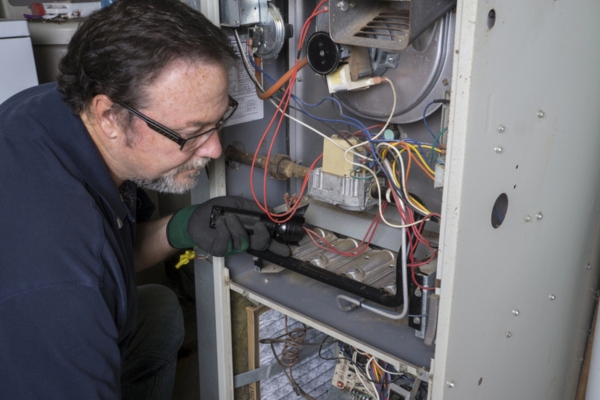
Restoring propane service after an empty tank requires several important steps to ensure safe, reliable operation.
Purging Air From the Fuel Lines
When a propane tank runs empty, air may enter the fuel lines and must be safely purged before service resumes. This procedure requires a qualified professional to prevent ignition problems, incomplete combustion, and safety hazards. Proper fuel line bleeding can also add service time and cost.
Relighting Pilot Lights
Restoring pilot lights in propane appliances, such as furnaces and water heaters, requires proper safety procedures. A qualified technician can safely relight the appliances and verify correct operation, reducing the risk of inefficient combustion, malfunctions, or hazardous conditions.
Inspection Requirements
Before restoring propane service after a run-out, a qualified technician must perform the required safety checks, including leak testing and inspecting connected equipment. These procedures help identify potential hazards and confirm safe operation. However, they may increase service costs and delay restoring heating and other propane-powered appliances.
Preventing Propane Run-Outs With Dependable Delivery Services in Texas
Automatic propane delivery helps prevent fuel shortages by scheduling refills before tank levels become too low. Using consumption records and weather-based calculations, this service estimates fuel needs and arranges timely deliveries without requiring homeowners to monitor their tanks manually.
By accounting for seasonal demand and usage patterns, automatic delivery simplifies fuel management and helps maintain an uninterrupted propane supply.
Smart propane tank monitoring provides another convenient option. Wireless sensors track fuel levels and send real-time updates, allowing homeowners to monitor propane consumption remotely.
When tank levels reach a preset threshold, the system alerts the homeowner and propane supplier so deliveries can be scheduled promptly. This technology supports accurate fuel tracking, efficient delivery planning, and dependable propane availability year-round.
Steps to Take When Your Propane Tank Runs Empty

If your propane tank runs out, turn off all propane appliances and contact your propane supplier to arrange a refill. A qualified technician should inspect the system for leaks or damage and perform the necessary safety checks before restoring service.
Never attempt to restart an empty propane system yourself. Skipping professional inspections or performing improper restart procedures can increase the risk of gas leaks, fires, and other hazards. Certified technicians can safely restore propane flow, check connections, and verify that appliances operate correctly before you resume use.
Preventing Future Propane Run-Outs
After refilling your propane tank, take steps to avoid future fuel shortages. Monitor tank levels regularly and consider automatic propane delivery to maintain a consistent supply without manually scheduling refills. These preventive measures help support safe, efficient system operation and reduce the risk of unexpected interruptions.
Financial Consequences of Running Out of Propane
Running out of propane can result in unexpected expenses that affect your household budget. Emergency deliveries may carry additional fees, especially outside regular service hours. Professional leak checks, fuel line purging, and system inspections required before restarting can further increase costs.
Repeated propane tank shortages may also place unnecessary strain on heating appliances and other equipment, potentially contributing to malfunctions and expensive repairs. Maintaining a consistent propane supply helps prevent these disruptions, reduce avoidable expenses, and support reliable system operation.
Empty Propane Tank: FAQs

Can Running Out of Propane Affect Indoor Air Quality?
An empty propane tank does not directly affect indoor air quality. However, if air or moisture enters a depressurized system, corrosion or contaminants may develop and interfere with proper combustion. Malfunctioning appliances can produce harmful emissions that compromise indoor air quality. Regular tank monitoring, professional inspections, and proper maintenance help prevent these issues and support safe, efficient propane system operation.
How Do I Know When My Propane Tank Is Low?
Most residential propane tanks have a gauge displaying the remaining fuel as a percentage. When the level reaches 30%, schedule a delivery to avoid running out. Warning signs such as weaker stove flames, slower water heating, or reduced indoor warmth may also indicate a fuel supply issue. Automatic propane delivery can help maintain a consistent supply and prevent unexpected shortages.
What Precautions Should I Take With My Propane Tank During Winter?
Cold weather can affect propane pressure and increase heating demand, making regular tank monitoring essential. Schedule refills before major cold spells, and keep the tank area clear of snow, ice, and debris to ensure safe access for delivery. A professional can offer guidance on winter fuel management to help maintain a reliable propane supply and safe system operation.
Can I Safely Store Propane Tanks Indoors?
Propane tanks should be stored outdoors in a well-ventilated area, away from excessive heat and ignition sources. Avoid storing portable propane cylinders in garages, basements, sheds, or other enclosed spaces. Propane is heavier than air and can accumulate in low areas if a leak occurs, increasing the risk of fire or explosion.
How Can I Keep My Propane System Operating Efficiently?
Routine maintenance by a qualified propane technician helps maintain safe, efficient operation. This includes inspecting regulators, checking valves, and examining fuel lines for leaks or wear, particularly before periods of heavy use. Regular professional servicing helps prevent unexpected disruptions, improve system performance, and extend equipment lifespan.
Conclusion
Preventing propane run-outs helps maintain a safe, efficient, and reliable home heating system. Keeping your tank adequately filled reduces the risk of service interruptions, equipment problems, and potential safety hazards. If your tank runs empty, turn off propane appliances, contact a qualified professional, and arrange a refill and the necessary safety checks before restarting.
Regular tank monitoring and automatic delivery programs can help prevent unexpected shortages. Contact Texas Star Propane for dependable propane delivery services to keep your North Houston home comfortable and your fuel supply consistent.
Contact Texas Star Propane for Reliable Propane Services in North Houston
Texas Star Propane provides dependable residential propane delivery and tank services throughout North Houston and surrounding communities. We offer high-quality fuel, competitive rates, and prompt deliveries to help homeowners maintain a consistent propane supply year-round.
Our services include aboveground and underground propane tank installations, tank sales and leasing, gas appliance installations, and propane system repairs. We also provide convenient delivery options, including our Keep Full program, will-call delivery, and tank monitoring services to help customers track fuel levels and avoid unexpected run-outs.
At Texas Star Propane, we prioritize safety, reliable service, and customer satisfaction. Whether you need a propane refill, tank installation, or system repair, our team is ready to help. Call us today to schedule your propane delivery or request an on-site evaluation and estimate!
You can click here to contact us now or call us at 281-259-2162 to find out more! Click the link to view our service area.

Questions about your propane or your equipment?
Talk to someone local who knows these roads. Texas Star Propane delivers across southeast and central Texas, and we service the equipment too.